Luna — a command-line research AI that predates ChatGPT
What is Luna?
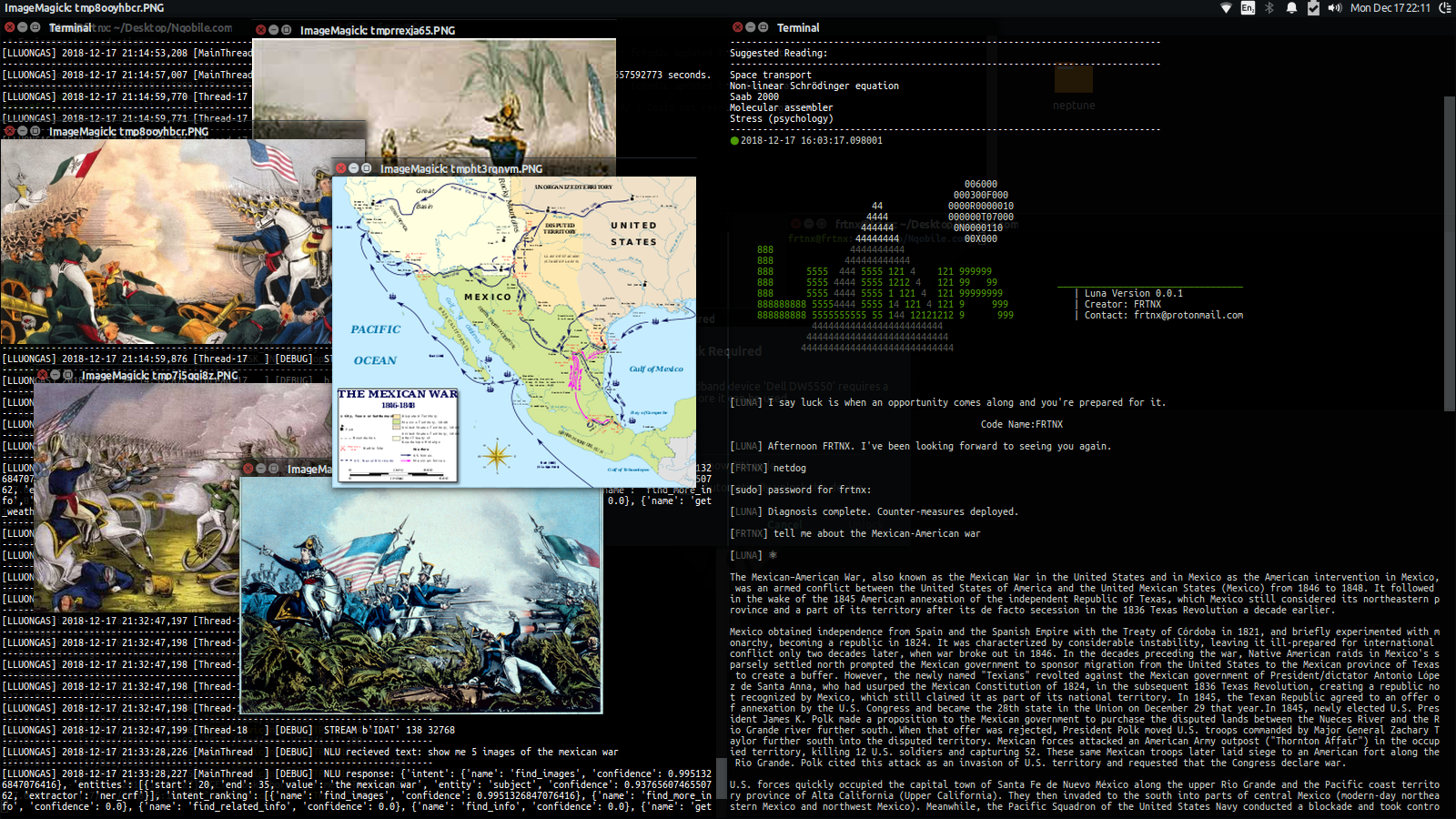
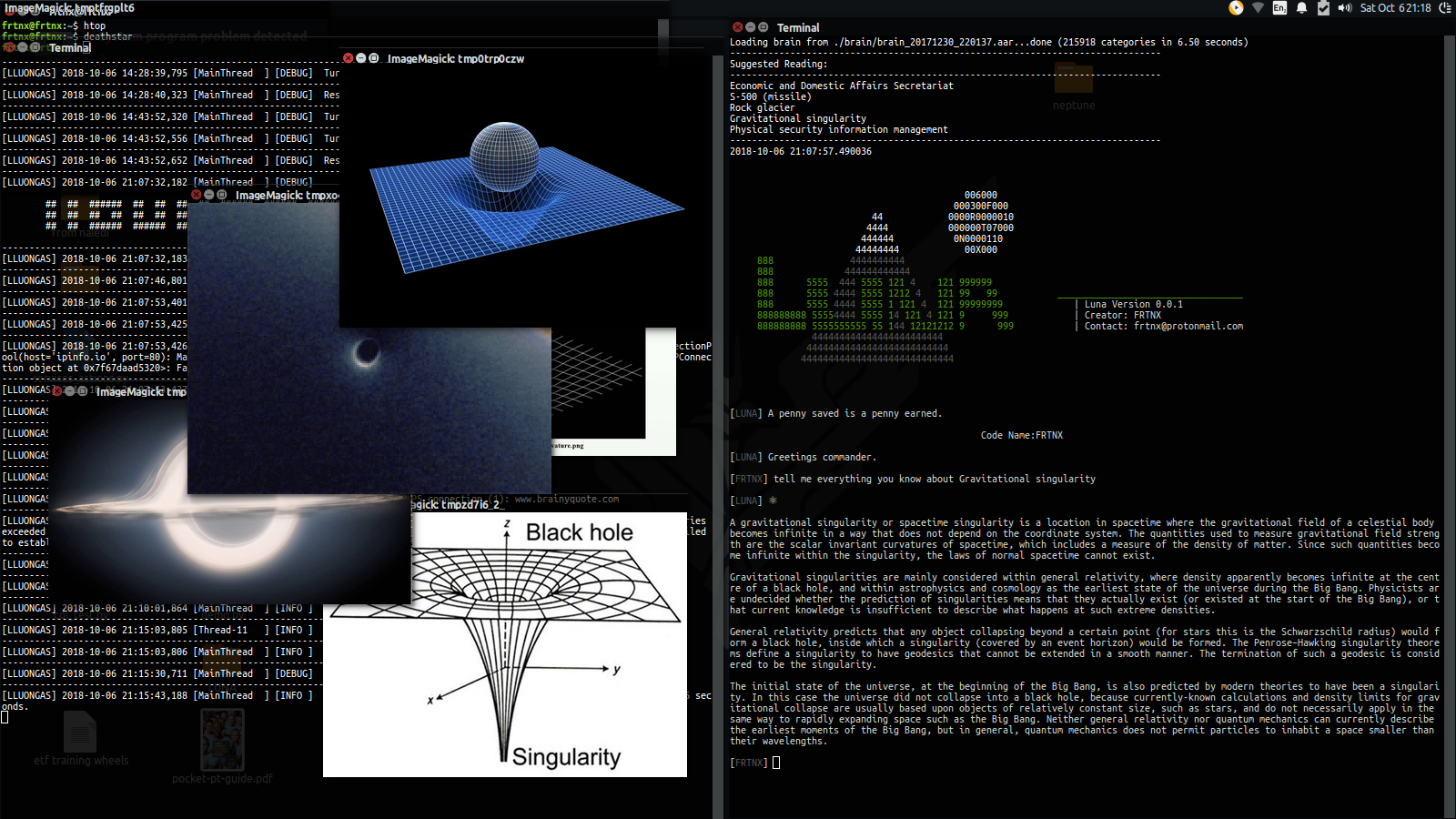
Luna is a command-line research AI built to do everything. From reaching out to trusted sources such as wikis and Wolfram Alpha to answer user queries, to running programs on the user's machine. Built over a decade ago, before large language models went mainstream, Luna was one of the most fun projects we've ever built.
Among its many tools are web crawlers, port scanners, vulnerability analysers, global weather monitoring, a few Easter eggs, the option to save data for offline consumption, and so much more. It was the very embodiment of feature-creep.
How we did it
Mostly with Python. Luna's first implementation was written in pure Python, with a PostgreSQL database. Python, R, and now Rust have been the languages of choice for researchers — we could easily see why.
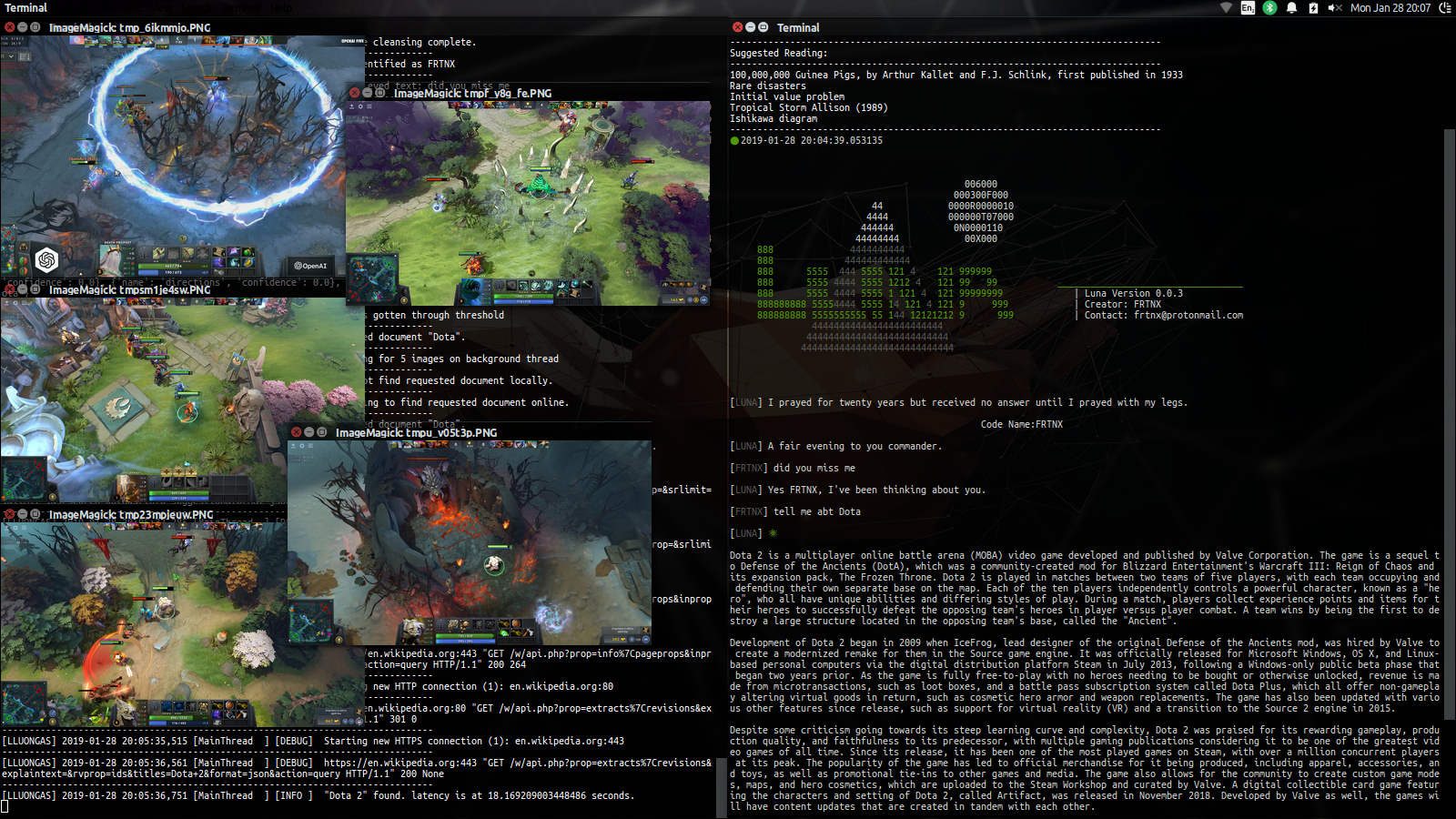
Luna was quite ahead of its time for something built over 11 years ago. We lived in the command-line — indeed, some of our oldest code shows just how junior we were at the time. We've since begun redeveloping Luna into a modular micro-services structure, but we've kept the original code from those days of old. It's open-source — find it on GitHub.
What it's good for
Teaching the next generation what's possible. The prevalence of AI has made some junior developers over-rely on it — why apply critical thinking when you can just ask the AI? Luna was built by hand, through and through, and its codebase is relatively easy to read; its tools are easily extracted and ported.